TurboDial
January 15, 2026
Angular · Ionic · Laravel · Twilio · OpenAI · Gemini
Context
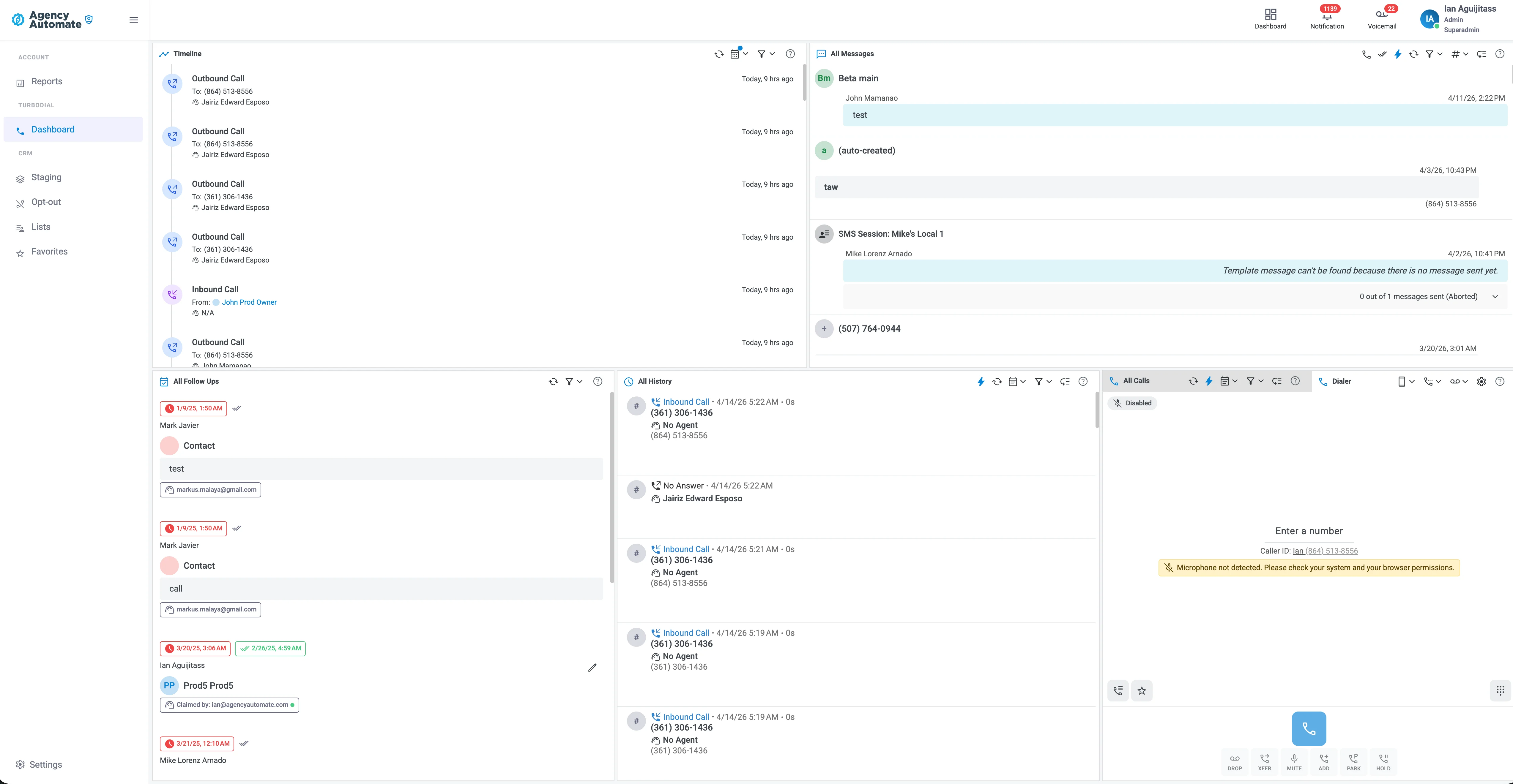
At Agency Automate (remote, Minnesota), I led front-end development on TurboDial, a platform for SMS and voice call automation powered by the Twilio API. The product serves teams that need reliable outbound/inbound communication workflows without stitching together fragile scripts.
What I built
- Angular web app integrated with a Laravel REST API
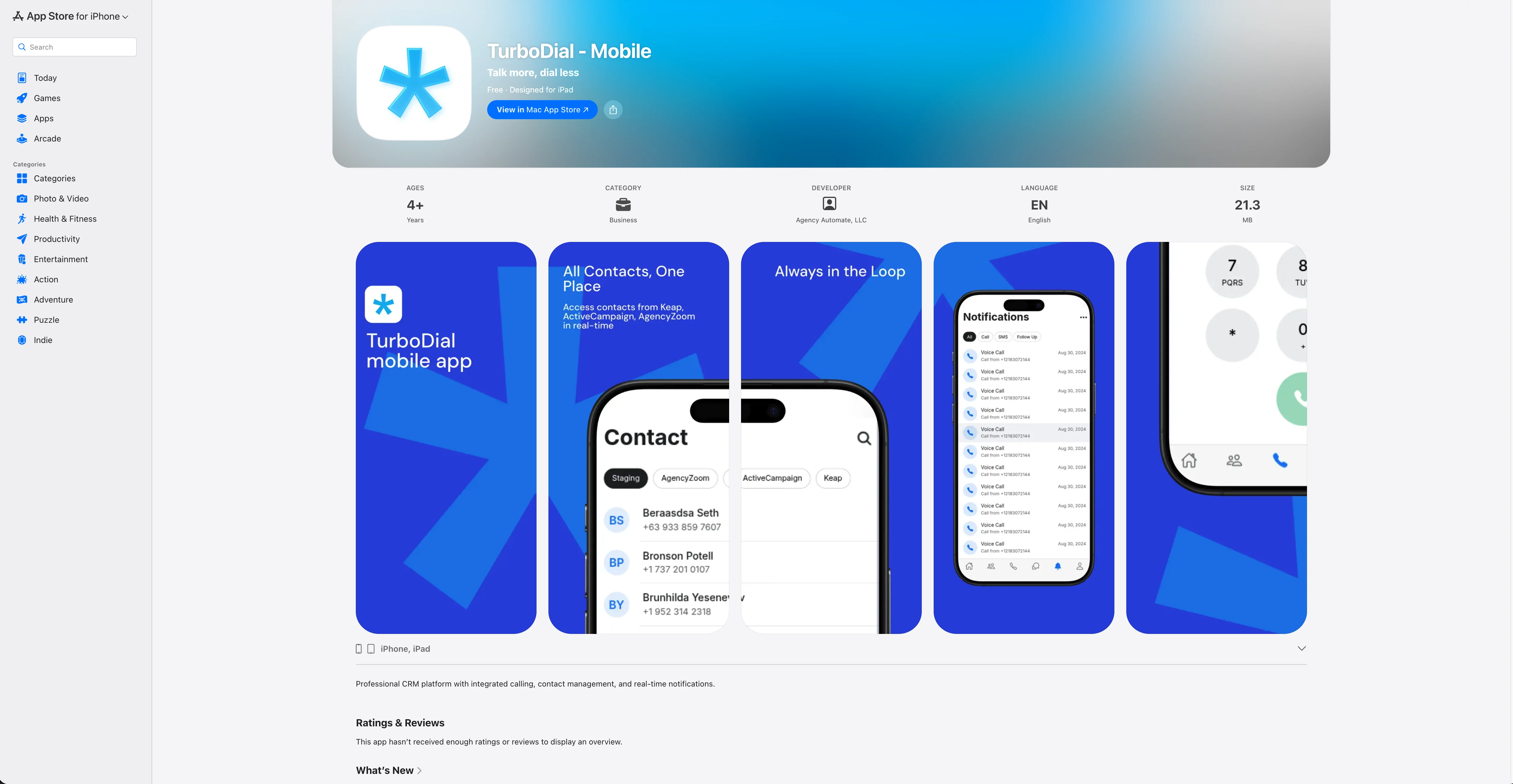
- TurboDial iOS app built with Ionic Framework and published to the App Store
- AI-powered call recording summaries using large language models
- Third-party AI integrations (OpenAI, Gemini) for sentiment analysis and automated call insights
- Setup for self-hosted open-source LLMs when clients need on-premise AI and data privacy
Technical highlights
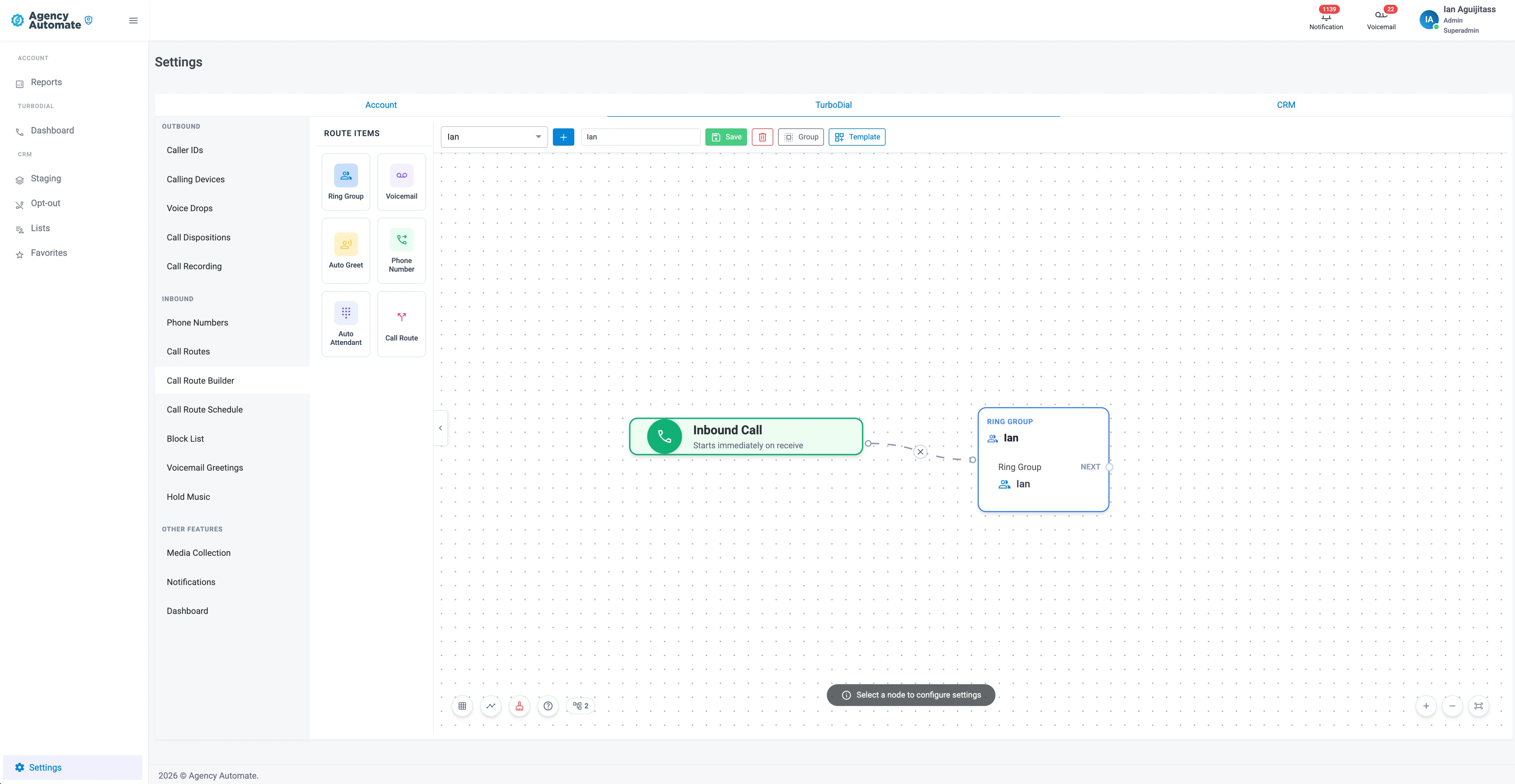
The hardest problems were not UI polish alone. They were real-time telephony state, trustworthy summaries, and keeping AI features optional per tenant. I designed API boundaries so the Angular client stayed thin: Twilio webhooks and AI jobs live server-side, while the UI focuses on clarity and operator speed.
Outcome
TurboDial became a shippable product line: web + mobile + AI layers working together. The iOS release in particular validated Ionic + Angular for production telephony UX, not just prototypes.